

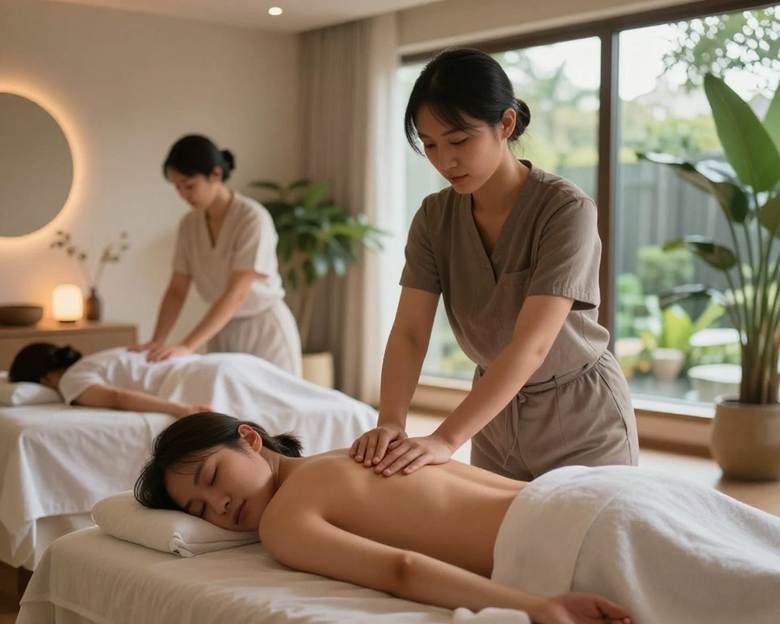
In Malaysia, massage is becoming a regular part of life. It’s shaped by new wellness trends and a focus on prevention.
What clients want from massages is changing. They look for body-to-body massages in Malaysia that are both deep and refined. Today, a luxury massage means clear standards, better privacy, and consistent results.
In Kuala Lumpur and other places, spa services are getting a makeover. Now, you can find sessions that mix hands-on massage with breathwork and lifestyle advice. This helps clients recover better between visits.
New tools are coming into the massage room. You’ll see apps, AI devices, and even VR/AR for guided calm. These tools aim to improve the massage experience, not replace it.
In top massage spots like premium b2b massage kl, therapists are getting better training. Clients want to know about special skills like sports massage and prenatal care. Therapists are learning through workshops, seminars, and online courses.
The new standard is about care that’s tailored to each person. It’s based on real conversations and mental health awareness. For many, it’s about building a wellness routine that lasts through busy lives.
Key Takeaways
- Modern wellness trends 2026 are pushing massage toward routine, preventative care in Malaysia.
- Body-to-body massage in Malaysia is being reframed around safety, skill, and lasting results.
- A luxury massage experience now includes personalization, not just premium ambience.
- High-end spa trends favor holistic add-ons like breathwork, mindfulness, and recovery habits.
- Wellness innovation, including AI-powered devices and VR/AR, is meant to support—not replace—human touch.
- Demand for premium b2b massage kl is raising expectations for certifications and ongoing training.
Why Body-to-Body Massage Is Evolving in Modern Wellness Culture
In Malaysia, premium b2b massage kl is becoming a regular part of life. People now book it like they would a workout. They want it to help them stay healthy through busy days and travel.
This shift is also about wanting science-backed wellness. Clients want to know why they’re spending money. So, therapists focus on real benefits and being honest about what they can do.
In 2026, massage is seen as a practical way to feel better. It can lower stress, improve blood flow, and help with sleep. These benefits are part of a long-term plan, not just a quick fix.
Digital overload is also a big reason. With screens everywhere, people seek calm. They look for digital detox, stress management, and recovery plans.
Spa visits are now more about the environment. People want places that help them relax. They look for calming lighting, sounds, and smells. They also want plans to keep improving over time.
Many people mix massage with other wellness practices. They try reflexology, cupping, and aromatherapy. This shows a desire for whole-person care, but with safety and consent in mind.
| What Clients Ask For Now | Why It’s Growing | How It Supports a Routine |
| Preventative wellness care visits on a set cadence | Less “crisis mode” living and more day-to-day maintenance | Fits long-term wellness planning with measurable check-ins |
| Science-based wellness cues like pressure clarity and recovery guidance | People want fewer claims and more transparency | Encourages smarter booking, pacing, and aftercare habits |
| Mindful self-care sessions built around stress and sleep | Always-on work culture and screen fatigue | Supports decompression, downshifting, and better rest patterns |
| Immersive spa experiences with multi-sensory calm | Environment shapes relaxation as much as technique | Makes recovery feel easier to repeat and maintain |
Premium b2b Massage and the Rise of High-End Wellness Expectations in Malaysia
In Kuala Lumpur, “premium” means more than just fancy things. It’s about getting what you want, every time. Clients want massages that feel good and do good.
Now, luxury wellness is a regular thing, not just a special treat. People want massages that help them stay healthy, not just feel good for a day.
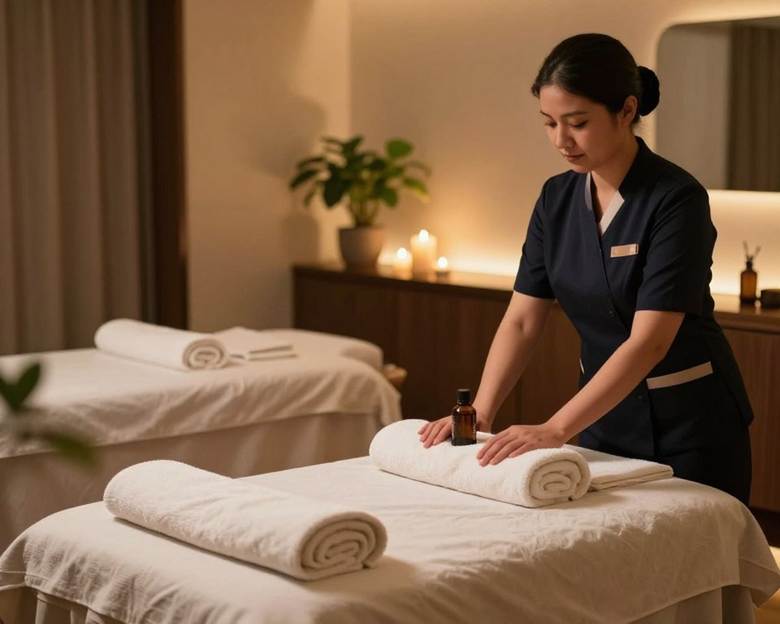
A good massage is all about listening and adjusting. Therapists should change their touch based on what you say and how you feel.
In top spas, every little thing matters. Things like special oils and how fast or slow the massage is can make a big difference.
As more people want the best, spas are getting creative. They offer special treatments like cupping and scalp massages to help with stress and sleep.
| What clients ask for now | How premium delivery shows up | Why it matters for results |
| Clear goals like stress control, sleep support, or workout recovery | Short intake, targeted plan, and session notes for next time | Builds momentum and supports long-term treatment planning |
| Consistency across visits and therapists | Standardized protocols with room to personalize | Creates trust and reduces trial-and-error time |
| Specialized techniques beyond a basic routine | Options such as cupping therapy, lymphatic drainage, and focused scalp work | Matches high-end massage expectations for targeted care |
| Modern safety and skill standards | Continuing education and updated methods for pressure, hygiene, and body mechanics | Signals professionalism, even in sensitive services |
So, premium b2b massage in KL is seen as a smart health choice, not just a luxury. People see it as a regular part of their wellness routine.
As more spas offer top-notch services, people’s expectations will keep growing. The best spas are those that explain what they do, listen to you, and keep getting better.
Tech-Enhanced Massage Experiences Heading Into 2026
By 2026, many massage studios in Malaysia will offer smart options. They aim to help clients relax faster and recover better. They also want to make sure each visit is consistent.
AI massage devices with sensors and tracking are coming. They can find tight spots and adjust pressure and speed on the fly. This is great for easing muscle soreness or neck tension.
Immersive tech is also being added. VR can take you to a calm beach while your shoulders are worked on. AR can add visuals and breathing cues to the room, without distracting from the massage.
Most therapists see these new tools as optional, not a must-have. The human touch, pace, and presence are what truly matter. Tech just helps with comfort, focus, and getting consistent results.
Practical changes are also happening. Online booking and digital forms make things easier. They let clients book times and share their needs before they arrive, saving time.
| Tech option | What it adds during a visit | Best-fit use in Malaysia |
| AI massage devices | Auto-adjusting pressure and targeted work on common tension zones | Quick relief between therapist sessions and post-workout recovery |
| VR massage relaxation | Immersive sound and scenery that can steady breathing and lower stress | High-traffic city routines where it’s hard to “switch off” |
| AR spa experience | Gentle visual prompts for pace, posture, and calm without blocking the room | Clients who want guided relaxation while staying aware of the space |
| Online booking wellness and digital intake forms | Faster check-in, clearer preferences, and fewer last-minute surprises | Busy schedules, shared family bookings, and repeat visits |
At home, tools are becoming part of care plans. They can extend the benefits of a massage and keep muscles moving. Studios are also exploring AI assistants, robotics, and new payment systems to improve the experience.
Personalized Treatments Through Assessment and Client Collaboration
In Malaysia’s wellness scene, many guests now expect personalization as the norm, not a bonus. Personalized massage therapy starts before the first stroke, with a quick intake and a clear goal for the session.
Modern studios are leaning into assessment-based bodywork that checks posture, range of motion, and common tension zones. Therapists may also map pain points and daily stress triggers, then choose techniques that match the body’s needs in that moment.

What makes the session feel truly custom is client collaboration throughout the hour. Simple cues like “more shoulder work” or “lighter on the calves” guide customized massage pressure in real time, so comfort and control stay with the client.
Many plans now go beyond basic relaxation. Targeted treatment plans can include lymphatic support for heaviness, individualized aromatherapy blends, and pacing that fits athletic recovery, stress management, or sleep-focused care.
This shift favors a results-driven massage mindset over a fixed routine. When pressure, technique, and focus change based on feedback and assessment, the work stays practical for each body type, training load, and sensitivity level.
| Assessment signal | What it can suggest | How the session is adjusted |
| Neck and shoulder stiffness from desk work | Upper-trap overload and shallow breathing patterns | Slower warm-up, focused shoulder release, customized massage pressure, and paced breathing cues |
| Low-back tightness after long drives | Hip flexor tension and restricted glute engagement | Targeted hip work, glute release, and targeted treatment plans that avoid sharp lumbar pressure |
| Heavy legs after training | Fluid retention and overworked calves | Light-to-moderate strokes for lymphatic support, then deeper work only where tolerated |
| Headache linked to jaw clenching | TMJ-related tension and facial tightness | Gentle jaw and scalp work, quiet pacing, and clear check-ins to protect comfort |
To keep up with these expectations, many practitioners invest in ongoing education and specialized certifications, including sports, prenatal, and lymphatic drainage training. That added skill helps sessions stay consistent, personal, and aligned with what clients ask for on the table.
Holistic, Sustainable, and Mental Health–Supportive Approaches
In 2026, Malaysia’s holistic massage therapy will focus on the whole person. This shift aligns with global trends. Over a third of U.S. adults use holistic methods to ease pain and stress.
Studios are adding mindfulness meditation to their services. They use guided breathing and quiet moments during treatments. This aims to bring deeper calm and faster recovery.
Therapists are working with nutritionists and lifestyle coaches. This connects bodywork to sleep, movement, and food choices. It’s all about a balanced life.
Mental health support is becoming a key part of wellness. There’s more focus on stress, anxiety, depression, and chronic stress. There’s also growing interest in PTSD support.
Swedish, deep tissue, shiatsu, aromatherapy, and lymphatic drainage massages are seen as emotionally supportive. Some menus include craniosacral therapy, reiki, Polarity Therapy, and Healing Touch for a gentler approach.
There’s a growing demand for organic massage oils and cleaner lotions. Sustainable spa design is becoming the norm. It includes energy-efficient lighting, durable materials, and water-saving practices.
Cupping therapy, reflexology, and lymphatic drainage massage are gaining popularity. They’re part of an integrated future where eco-conscious and emotionally supportive care are standard.


